

Anti-Acne Treatment, Beauty Tips
Pimples on Cheeks: Causes in Singapore and What Helps
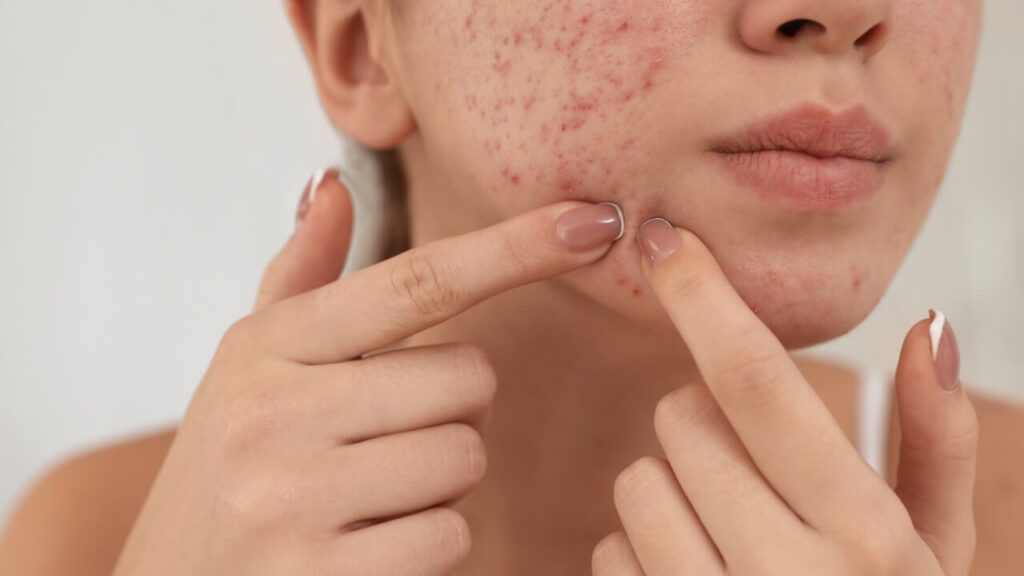
Pimples on the cheeks usually start the way all acne does: oil and dead skin cells clog the pores. What makes the cheeks different is contact. A phone pressed to your face, a pillowcase, a mask strap or your own hands can keep oil and sweat sitting on the skin, and Singapore’s heat and humidity add to it. Most cheek breakouts settle once you find the trigger and keep the pores clear. Deep, painful or scarring acne needs a doctor.
Written and reviewed by the Indulgence Beauty therapist team.
Why do pimples appear on your cheeks?
A pimple forms when a pore fills with oil (sebum) and dead skin. If the blockage stays open to the air it becomes a blackhead; if it closes over it becomes a whitehead; if it becomes inflamed you get a red, sore bump. The American Academy of Dermatology lists hormones, family history and oily skincare or hair products among the things that drive acne, and notes that stress and lack of sleep can make it worse.
Your cheeks are also the part of the face that touches things most. That is why a breakout here often has an everyday cause you can change, rather than something you just have to wait out.
Common cheek triggers in Singapore
| Trigger | Why it matters | What to try |
|---|---|---|
| Phone against your cheek | Screens collect oil, sweat and makeup, then press them into the skin on every call | Wipe the screen daily; use earphones or speaker for long calls |
| Pillowcases | Oil, sweat, hair products and leftover skincare build up night after night | Change pillowcases every few days, more often if you sleep on one side |
| Masks, helmet straps and headsets | Heat, sweat and rubbing in the same spot can irritate and block pores | Use a clean, breathable mask each day; rinse your face after long wear |
| Hands on your face | Resting your cheek on your hand or touching spots moves oil and bacteria around | Notice the habit at your desk; keep hands off healing spots |
| Heavy creams, sunscreen and makeup | Rich or oily formulas can clog pores, and dirty brushes add to it | Choose light, non-comedogenic products; wash brushes and sponges weekly |
| Sweat and humidity | Sweat mixes with oil on the skin after workouts, a hot commute or time outdoors | Cleanse gently after exercise; don’t leave sweat to dry on your face |
| Hair oils and styling products | Oily hair products can transfer onto the cheeks and hairline | Keep hair off your face; wash your face after styling |
Clues from where the pimples sit
- Mostly one cheek: look at the side you hold your phone or sleep on.
- Along a mask or strap line: friction and trapped sweat are likely to be part of it.
- Lower cheeks and jawline, around your period or during stressful weeks: hormones may play a part. These breakouts often feel deeper and more tender.
- Small bumps that appeared after a new product: stop the newest product first and see if your skin calms down.
These are patterns, not a diagnosis. Change one thing at a time and give it four to six weeks, so you can tell what made the difference.
Is it acne, or something else?
Not every bump on the cheeks is acne. Redness and flushing with small bumps can be rosacea. Tiny, hard white dots that never come to a head are often milia. A rash of small, itchy bumps after a new product may be irritation. These need different care, and squeezing them can make things worse. Our guide to acne imposters covers the common look-alikes. If you are not sure what you are seeing, ask a doctor or pharmacist.
What helps pimples on cheeks at home
- Cleanse gently, twice a day. Use a mild cleanser and lukewarm water. Scrubbing harder does not clear pores faster and can irritate the skin.
- Keep products light. In Singapore’s humidity, a light, non-comedogenic moisturiser and sunscreen are usually enough for oily or breakout-prone skin.
- Don’t pick or squeeze. Squeezing can push the blockage deeper and raise the risk of marks. Here is why popping pimples backfires.
- Remove the contact trigger. Phone, pillowcase, mask, hands: pick the one that fits your pattern and change it first.
- Be patient with active products. Over-the-counter products with salicylic acid or benzoyl peroxide are common options for mild acne. Start slowly, as they can dry or sting, and ask a pharmacist if you are unsure what suits you.
- Wear sunscreen every day. It helps stop healing spots from leaving darker marks.
When a professional facial can help
If your cheeks feel bumpy and congested, with blackheads and whiteheads that keep coming back, clearing those blocked pores professionally can help. At Indulgence Beauty, every visit starts with a skin consultation, and the therapist recommends a treatment based on what they see.
- Mostly clogged pores, blackheads and whiteheads: the extraction facial softens and opens the pores, then clears them with controlled pressure.
- Red, active breakouts as well as clogged pores: the Signature Acne Treatment Facial is built for breakout-prone skin.
- Not sure which one? Read acne facial vs extraction facial, or let the therapist decide at your consultation.
Facials take about 90 minutes, and the treatment is adjusted for sensitive skin. Some redness afterwards is common and usually settles within a few days. A facial is not a medical treatment for acne, so it works best alongside the home habits above.
When to see a doctor
See a doctor or dermatologist if you have deep, painful lumps or cysts, if your breakouts are leaving dents or scars, if acne appears suddenly and spreads quickly, or if nothing has improved after a few months of good habits. The same applies if you are pregnant or taking prescription medicine. Our guide on cystic acne vs stubborn pimples explains the difference.
Already have red or brown spots left behind? Those are often marks rather than scars, and they are treated differently. See acne marks vs acne scars.
Frequently asked questions
Why do I only get pimples on one cheek?
Breakouts on one side often point to something that touches that side more: the cheek you hold your phone against, the side you sleep on, or the hand you rest your face on. Clean your phone screen, change your pillowcase every few days and watch the habit for a few weeks to see if that side improves.
Are pimples on the cheeks hormonal?
They can be. Hormonal breakouts tend to sit on the lower cheeks and jawline, feel deep and tender, and flare around your period or during stressful weeks. But cheek pimples are just as often caused by contact, heavy products or sweat. If they follow a monthly pattern and do not respond to good habits, talk to a doctor.
Can my phone cause pimples on my cheeks?
Your phone does not cause acne by itself, but its screen picks up oil, sweat and makeup and presses them against your cheek during calls. Over time that can add to clogged pores on that side. Wipe the screen daily with a suitable cleaning wipe and use earphones or speaker mode for long calls.
What foods can trigger pimples on the cheeks?
Research on diet and acne is still mixed. Some people find their skin is worse with a lot of sugary drinks, refined carbohydrates or dairy, while others notice no link at all. Rather than cutting out whole food groups, try keeping a simple food and skin diary for a few weeks and look for your own pattern.
Should I get an extraction facial for pimples on my cheeks?
An extraction facial suits cheeks that are congested with blackheads and whiteheads. If you also have red, inflamed pimples, an acne facial is usually the better fit. Your therapist will check your skin at the consultation and recommend one. For deep, painful lumps or scarring, see a doctor first.
Get your cheeks checked
If you have tried the basics and your cheeks still feel congested, our therapists can take a look and suggest a plan. Indulgence Beauty is at 10 Anson Road, International Plaza #02-58, Singapore 079903, near Tanjong Pagar MRT. Book a session online or call +65 6225 8980.